
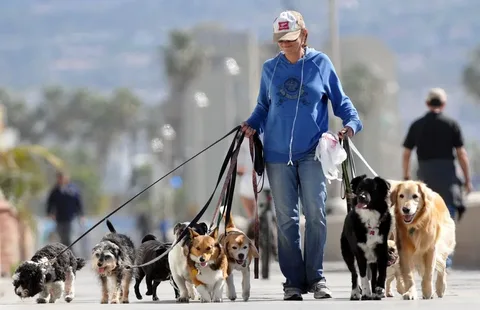
The street is quiet except for the rhythmic sound of paws against pavement. A leash tugs slightly, then slackens. That moment, calm but alive, captures the everyday world of a dog walker. People see the job as simple, even casual. It isn’t. It requires judgment, timing, and a kind of intuition that only develops after dozens of walks, hundreds even.
So, how do you become a dog walker? Not in theory, but in the real, daily rhythm of it. The answer sits somewhere between discipline and patience, a balance of reliability and instinct.
The Real Starting Point: Not Just “Loving Dogs”
Everyone says they love animals. It’s expected. But becoming a dog walker involves more than affection. It’s routine, and sometimes routine means rain, tangled leashes, or a nervous pup who refuses to move. Love helps, but skill keeps things running.
It may sound obvious, yet many beginners skip the practical step of observation. Spend time watching experienced walkers. How do they manage two, three, even five dogs without losing control? Notice how they speak not just to the animals, but to owners. Each tone is adjusted, each pause deliberate. You can’t learn that from a quick online guide. You learn it from the sidewalk.
Licensing and Rules: The Groundwork of Responsibility
Different cities treat dog walkers differently. Some require licenses, proof of insurance, or pet first aid certification. Others are informal, and a handshake agreement is enough. Still, anyone serious about building trust should document their credibility.
If you’re thinking long-term, check for local rules around leash length, waste disposal, and animal handling. They seem small, but small lapses destroy reputations. One careless moment, one broken rule, and word spreads faster than you’d expect.
Insurance, too, matters more than most realize. Not because you expect accidents, but because accidents can happen. Being insured communicates something subtle but powerful: dependability.
Skills That Matter More Than You Think
At first, you’ll imagine the job revolves around dogs. But professional dog walkers will tell you the truth: it’s about people. You’re trusted with something personal, often seen as family. Every conversation builds or breaks that trust.
Empathy helps. Clear communication helps even more. When an owner says, “He’s shy,” you listen. You ask questions, not scripted ones, but real ones. How shy? Around whom? In what situations? That level of curiosity separates the casual from the committed.
Then there’s timing. Dogs sense it. Walkers who move too fast or too slow create tension without realizing it. You learn to read gait, to sense hesitation. Those little cues make the walk smoother, safer, and better.
Setting Rates and Finding Clients
Money talk can be awkward, but it’s necessary. Beginners often underprice themselves. The assumption is simple: lower prices attract more clients. Sometimes it works, but it also signals inexperience.
Instead, check what others in your area charge. Adjust by skill level and services offered. Do you handle large dogs? Offer group walks? Provide reports with GPS tracking? Each adds value.
Networking matters just as much. Many dog walkers start through friends, local vets, or community groups. Over time, reviews and repeat clients form the base of a small, sustainable business.
The Quiet Discipline Behind Reliability
Punctuality doesn’t sound glamorous, but it’s everything. Owners track time. Dogs learn patterns. Show up late twice, and the trust frays.
Consistency is also emotional. Dogs notice tone, energy, and even scent. Keep calm. Move with assurance. If you panic, they do too. Many professional dog walkers use calm repetition to guide dogs through distractions, a passing truck, a sudden cat, or a jogger. You can’t fake that steadiness; it develops through hours of attentive work.
And cleaning up after them? Never skip it. That tiny act of responsibility shapes how neighbors see you. Professionalism often hides in small habits.
Building a Small Dog Walking Business
Once you’ve gathered a few loyal clients, structure becomes necessary. Keep a simple schedule system. Track payments, preferences, and emergencies. Start noting each dog’s quirks dietary needs, leash type, social behavior.
You might consider forming a dog walking business over time. It doesn’t need to be a formal company at first. A name, a notebook, and consistent service go a long way. As you grow, digital tools can help manage tasks. There are apps designed for this, though not all are equal.
Hiring help? Only when demand outpaces capacity. The wrong helper can undo months of built trust. Better to turn down a client than deliver poor care.
Safety on the Walk
Every route holds hidden risks: loose fences, stray animals, broken glass. A smart walker studies paths ahead of time. Choose sidewalks over shortcuts. Carry water, wipes, and a first-aid kit.
Dog fights, though rare, can happen. The trick isn’t strength; it’s control. Calm voice, firm command, separation without panic. Learn the basic commands and body language cues for prevention.
Reflect on what went wrong when something feels off. Self-review matters as much as client feedback. Growth in this line isn’t flashy; it’s steady, often invisible.
Turn Every Walk Into Income: Find Real Dog Walking Jobs Near You
At some point, a question appears: could this become more than a side job? Many discover it can. Especially now, when gig-based platforms make it easy to find clients safely and connect you with genuine dog walking jobs.
That’s where services like RaketMo become relevant. If you’re ready to start accepting offers in your neighborhood, RaketMo simplifies the search for part-time dog walking jobs. You post your service, get bids, and handle payments through verified systems, all without worrying about cash exchanges or unfair fees.
It’s one of the few job bidding apps designed to match local workers with real, nearby clients. Walkers, handymen, and cleaners all operate within the same trusted ecosystem. You manage everything in one place.
For new walkers, this can mean less time searching, more time walking.
Connect with local pet owners. Call RaketMo Now to Start!
The Subtle Art of Client Retention
You’ve landed a few jobs. Great. Now what? Retaining them is harder than finding them.
Small gestures matter, sending a short update after each walk, a photo, or a quick text confirming the dog’s mood that day. Avoid over-communication, though; respect privacy.
When you see an issue leash fraying, paw irritation, mention it gently. Owners appreciate attentiveness over enthusiasm. Remember, reliability earns you more than charm ever could.
Referrals usually follow naturally. A friend of a client calls, says, “Heard you’re the one who handles the big shepherds.” That’s how steady work builds. Quietly, over months, not days.
What Makes a Great Dog Walker (That Can’t Be Taught Fast)
Patience. Observation. Consistency. Those three are universal among seasoned walkers.
You can teach leash handling in a week, but reading a dog’s anxiety takes seasons. The good walkers notice subtle shifts, the pause before a growl, the slight tail drop, the hesitation before crossing. It’s a form of literacy, really. You’re learning to read a living language.
Confidence follows, but it must stay balanced. Too much, and you ignore warning signs. Too little, and dogs take charge. The middle path, calm assurance, defines the professionals.
Conclusion: Walking Into a Real Career
Becoming a dog walker doesn’t require a degree or grand plan. It requires consistency, attention, and a willingness to learn on the move literally. Start small. Learn routes. Earn trust one leash at a time.
And when you’re ready to find steady, safe work in your area, platforms like RaketMo offer the bridge between practice and profession. You focus on the walk; they handle the logistics.
Is dog walking a real career or just a side hustle?
Yes, it’s a real career for professionals who treat it as a business. Successful walkers build full schedules, earn steady income, and grow into trusted local brands through reliability and expert service.
What’s the fastest way to lose client trust?
Being unreliable. Missed walks, late arrivals, or poor communication destroy relationships instantly. Clients trust you with family members consistency is everything.
How do I find real dog walking jobs safely?
Use verified platforms like RaketMo to connect with local clients securely. Get matched with genuine opportunities, handle payments safely, and build your reputation without risking cash transactions or unreliable clients.
What separates professional walkers from amateurs?
Preparation and professionalism. Pros carry insurance, know pet first aid, document their services, and communicate clearly. They treat every walk as a serious commitment, not just a casual task.